If rock chips are what you want to stop, you need paint protection film. A ceramic coating adds gloss and makes the paint much easier to wash, but it is far too thin to absorb a stone. That is why our most popular option answers PPF vs ceramic coating with both: film on the front end where chips land, and a coating on the rest of the car.
They solve different problems, so the right choice depends on which problem you have.
What each one actually does
Paint protection film
PPF is a clear urethane film applied over the paint. Its main job is impact: it helps protect the panels it covers from rock chips, road debris and light scratches. Many films, including the MiracleCoat film on our Full Front package, have a self-healing top layer that lets light swirls fade with heat.
Film is not chip-proof. A large or fast stone can still cut it or damage the paint under it, and it only protects the panels it covers.
Ceramic coating
A ceramic coating is a liquid layer that bonds to the paint and cures into a hard, slick surface. It deepens gloss, makes water and dirt release more easily, and helps the paint resist UV and light contamination. We use Dr. Beasley’s coatings.
A coating does not stop rock chips. Dr. Beasley’s own warranty excludes damage from stone chips, which tells you what the product is and isn’t for.
The thickness difference
The simplest way to see why these two aren’t interchangeable is thickness. Both figures below are the manufacturers’ own.
MiracleCoat lists its Miracle Coat paint protection film in 7.8 and 8.8 mil options, roughly 200 to 225 microns. Dr. Beasley’s says its Nano-Resin Pro coating builds 4 to 6 microns once cured. Film is dozens of times thicker, and that physical layer is what absorbs impacts.
PPF vs ceramic coating side by side
| PPF | Ceramic coating | |
|---|---|---|
| Main job | Helps absorb rock chips and road debris | Gloss, easier washing, UV and contamination resistance |
| Stops rock chips | Helps on covered panels, not guaranteed | No |
| Light swirls | Self-healing top layer on many films | Some coatings resist fine swirls, but none is an impact layer |
| Where it goes | The panels you choose (front end or full body) | The whole car |
| Starting price at Paint Protection DFW | $1,900 for Full Front | $1,249 for Nano Resin |
| Typical time | 2 to 3 days for Full Front, about 5 for full body | 4 to 8 hours of prep, 12 to 24 hours to apply and cure, up to another day for inspection |
When PPF alone makes sense
Choose film first if chips are the real worry: you put a lot of highway miles on the car, it is new and the paint is still clean, or a chip on the hood would bother you every time you saw it. Film can’t undo a chip that is already there, so the earlier it goes on, the more it saves. Our page on PPF on a new car explains the timing.
When a ceramic coating alone makes sense
A coating on its own suits a car that mostly sits in a garage, sees few highway miles, or already has some chips you don’t plan to fix. You get the gloss and the easier washing at a lower starting price, and you accept that the paint is still exposed to stones. See our ceramic coating options for the Nano Resin and Nano Resin PRO tiers.
Why many owners do both
Film on the front end and a coating everywhere else covers both jobs: the panels that take hits get the impact layer, and the rest of the car gets the gloss and easy cleaning. Our Full Front & Ceramic Coating package starts at $3,249 and combines Full Front film with a full Dr. Beasley’s Nano Resin coating. It is our most popular option.
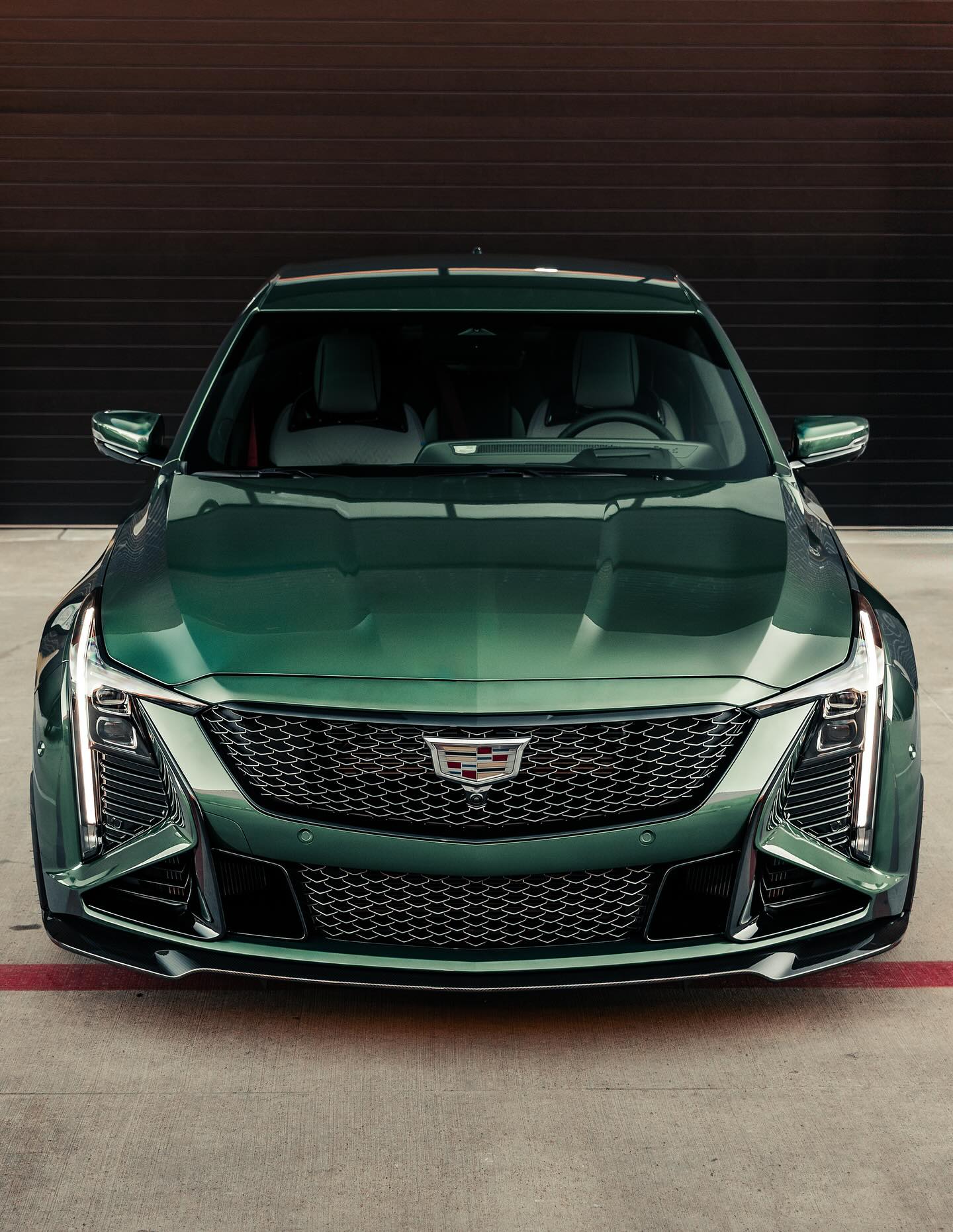
You can see the combination on this Cadillac CT5-V Blackwing with PPF and ceramic coating, and the local case for film is in why DFW drivers should consider PPF.
Questions to ask before you book
- Which panels will get film, in writing?
- Which film brand and product line, and which coating?
- Will the coating go over the film as well as the bare paint, and does the film maker allow that?
- What prep or paint correction is included before either one goes on?
- What does the warranty for each product cover, and what maintenance does it require?
Getting a quote for PPF, coating or both
Tell us your vehicle, how you drive it and whether chips or upkeep worry you more. We’ll recommend film, a coating or the combination and quote it for your car. You can request a quote through our PPF page.