Most of the reason to get paint protection film in DFW comes down to the front of your car and how much it gets driven. Film is a clear urethane layer that helps protect high-impact areas from rock chips and road debris, and the front of a car is where most of that debris lands.
Sun and spring storms are part of the local picture too, but film isn’t the answer to each of them, and it helps to know where it stops.
What DFW driving puts your paint through
Long, hot, sunny summers
The National Weather Service’s Dallas/Fort Worth climate normals show an average of 20.2 days a year at or above 100°F. July averages 7.4 of those days and August 9.7. The same table puts July at 75% of possible sunshine and August at 73%, against 61% for the year.
The NWS narrative for the area calls July and August the sunniest months of the year, with daytime highs consistently in the 90s. Its 100-degree records, based on 1991 to 2020, put the average first 100°F day on July 1 and the average last one on August 27.
The hood, roof and trunk lid face that sun most directly. Heat matters for film in a few practical ways. Film makers say the self-healing topcoat recovers with time or heat, and sun and heat exposure are among the conditions that affect how long any film lasts. Heat also makes the install environment matter more, which comes up below.
Film covers the paint, adding a layer between the paint and road debris and the sun. That is not a promise about fading. Some film warranties address how the film itself holds up, such as yellowing or fading of the film, not the paint underneath, so read the terms for the specific film you are quoted.
Highway miles and road debris
How much you drive, and where, is what counts. The panels that face the road take most of the debris: the front bumper, the leading edge of the hood, the front fenders and the mirrors. A car that spends its week on highways is likely to collect more chips there than one that mostly sits in a garage.
Spring storm season and hail
The NWS Dallas/Fort Worth climate narrative says thunderstorms and severe weather peak in the spring. It also says large hail occurs nearly every year somewhere in the Metroplex, though any one location is unlikely to see every type of severe event each year.
Paint protection film isn’t designed as hail protection, and film won’t stop dents. Garage or covered parking is the safer plan for hail, and it is worth knowing what your auto policy covers before storm season starts.
What paint protection film does and doesn’t do
Where film helps
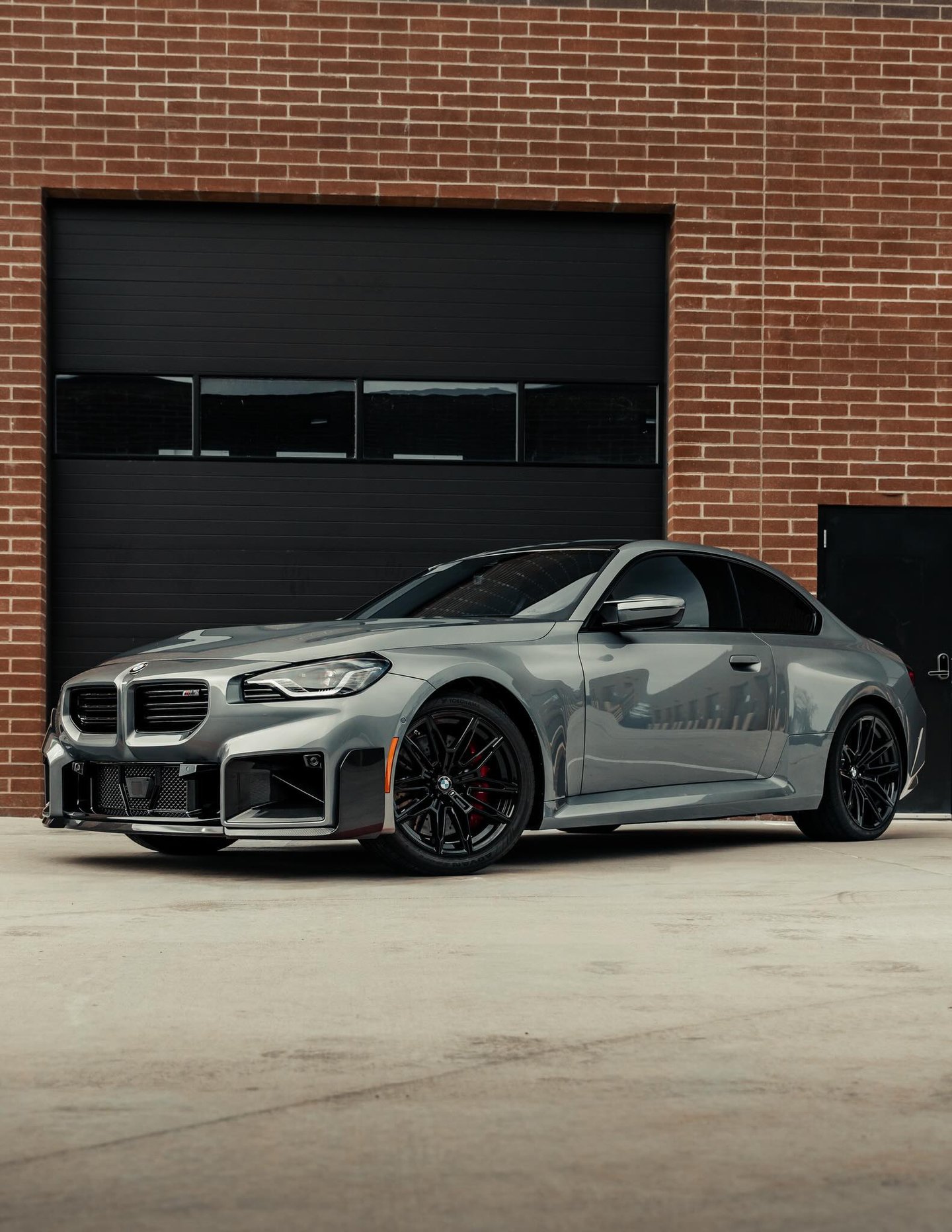
Film’s main job is impact. It helps protect the panels it covers from rock chips and road debris thrown up by the traffic ahead. You can see film on a Skyscraper Gray BMW M2 in Paint Protection DFW’s projects.
Many films also have a self-healing topcoat. Film makers describe light swirls and minor scratches in that top layer fading with time or heat, so wash marks and light marring can disappear on their own.
Where it doesn’t
Film is not chip-proof or scratch-proof. A large or fast-moving stone can still cut the film or damage the paint under it.
Self-healing has limits as well. Film makers state that scratches deep enough to go through the topcoat won’t heal.
Film also doesn’t fix damage that is already there. It goes on top of the paint, so existing chips and swirl marks stay visible under it unless they are corrected first.
Major film makers’ published warranties cover defined defects in the film and exclude rock and road-debris impact. The warranty covers the film, not paint damage underneath, so read it as a promise about the material with conditions attached.
PPF vs ceramic coating in Texas
These two get compared often, but they do different jobs. A ceramic coating adds gloss and makes washing easier. It is a far thinner layer than film, so it doesn’t stop rock chips.
Film is the impact layer. A common pairing is film on the front end and a coating on the rest of the car, so the panels that take hits get film and the rest stays easier to clean. The GT350 project is an example of film and ceramic coating on the same car.
Choosing coverage for how you drive in DFW
Coverage is the biggest decision, and it follows from how you use the car.
Full front coverage targets the high-impact front areas that face the road. Paint Protection DFW lists its Full Front package as starting at $1,900. Treat that as a starting point. The final quote depends on the vehicle and the exact coverage, so ask which parts are included.
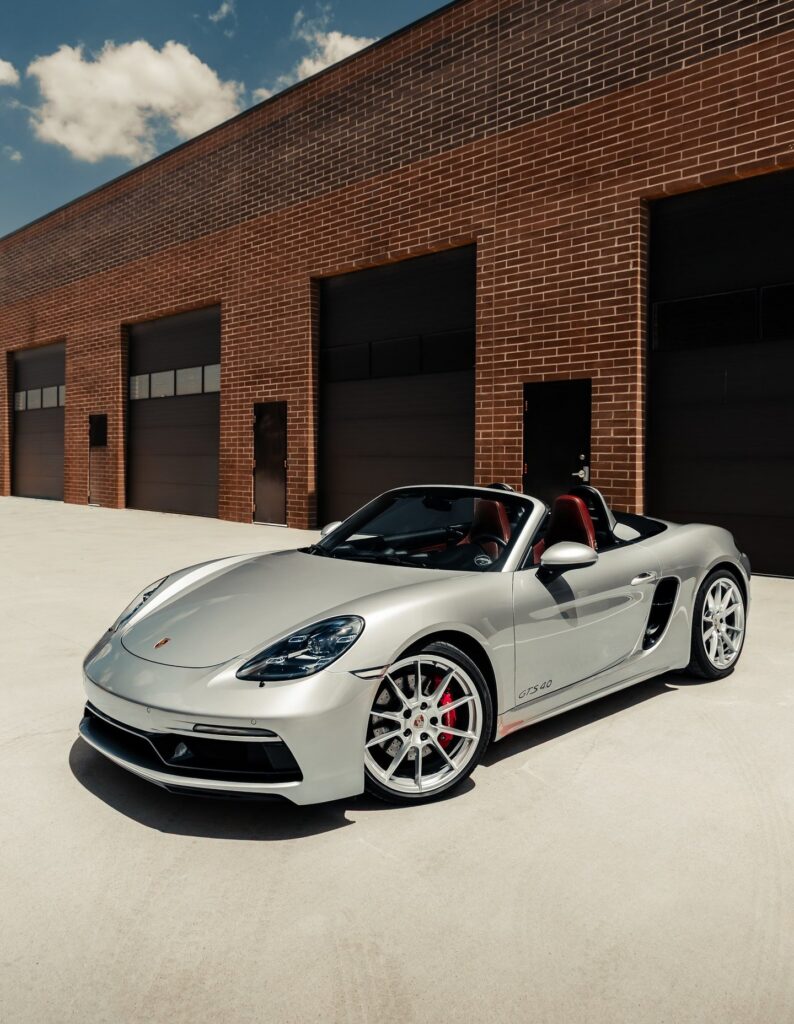
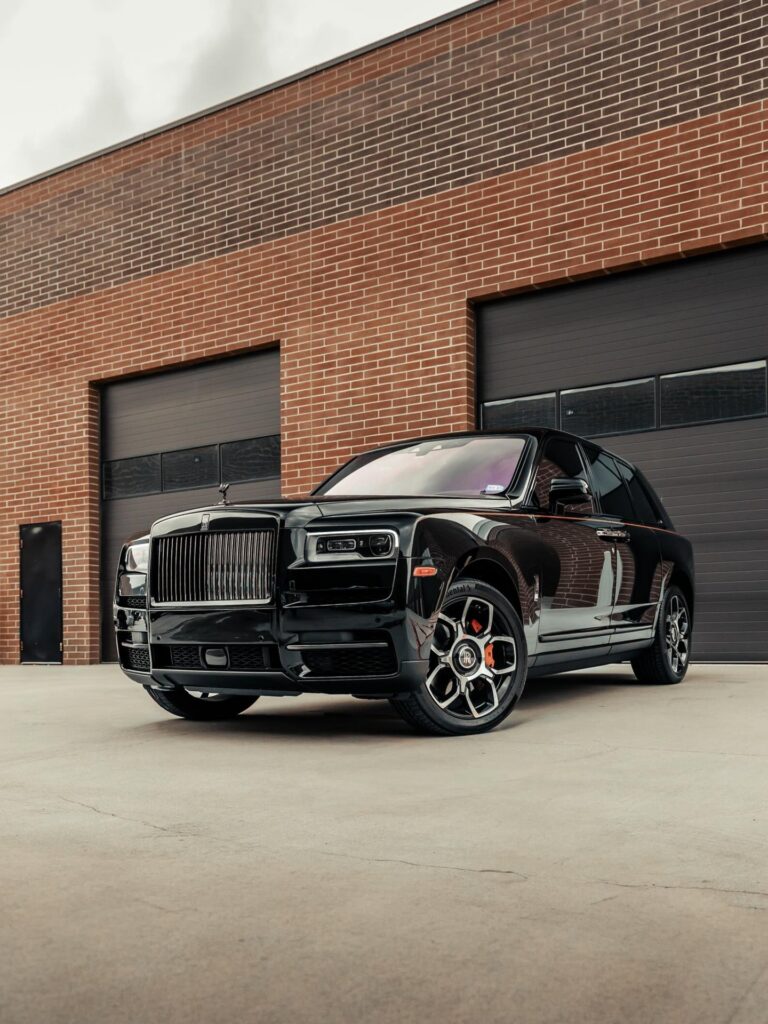
For a daily commuter that racks up highway miles, the front end is usually where the money does the most work. For a car you plan to keep for years, or a high-value car where any chip on a door or rocker bothers you, full body PPF extends film past the front end to the rest of the painted panels. Paint Protection DFW’s project gallery shows full body PPF on a Rolls-Royce Cullinan, a Porsche Boxster GTS, a Porsche 911 Carrera GTS hybrid turbo and a Model S Signature Series.
Timing matters too. Film can’t hide chips that are already there, so the cleanest result comes from protecting the paint before it picks up damage. That is the case for PPF on a new car, ideally before it starts collecting highway miles.
Package names vary from shop to shop. When you compare quotes, compare the panel list, not the package name.
Install quality matters as much as the film
A good film installed badly still looks bad. Dust under the film, lifted edges, stretch lines and knife marks on the paint are installation problems, and no film brand fixes them.
The environment matters in a hot climate. Film makers publish their own recommended installation temperatures. One manufacturer’s guidance, for example, puts the upper end of its range at 90°F, while DFW summer afternoons routinely run in the 90s. That is one reason to ask where, and in what conditions, your film will be installed. Paint Protection DFW describes its shop as an indoor studio.
Before you book, it helps to know what good work looks like. This guide on how to spot a bad PPF job covers the edges, seams and finish details to check.
What to have ready for a quote
A useful quote starts with a few details. Have your vehicle’s year, make and model ready, plus how you drive it: mostly highway or mostly town, roughly how many miles a year, and whether it parks in a garage, under cover or outside.
Mention any existing chips or swirl marks, and how long you plan to keep the car. Those answers decide whether full front, full body or something in between makes sense. When you have them, you can get a custom PPF quote from Paint Protection DFW.
Common questions about PPF in DFW
Is PPF worth it if I drive mostly in DFW traffic?
It depends on the car and how long you keep it. Film is most worth it on a newer or high-value car you plan to keep, driven regularly on highways where debris is common. For an older car with existing chips that you plan to sell soon, the case is weaker.
Does PPF protect against hail?
PPF isn’t designed as hail protection, and film won’t stop dents. Garage or covered parking is the safer plan during spring storm season.
How long does PPF last in Texas heat?
There isn’t one honest number for every film. Sun and heat exposure are among the conditions that affect how long any film lasts, along with the product and how it is cared for. Follow the installer’s care guidance. A film’s warranty is a defined promise with conditions, not a promised lifespan, so ask for the manufacturer’s warranty terms for the specific film you are quoted.
How long does a PPF install take?
Paint Protection DFW lists install times of 1 day for partial front, 2 to 3 days for full front and 5 days for full body. Ask when you book, since the vehicle and coverage affect the schedule.