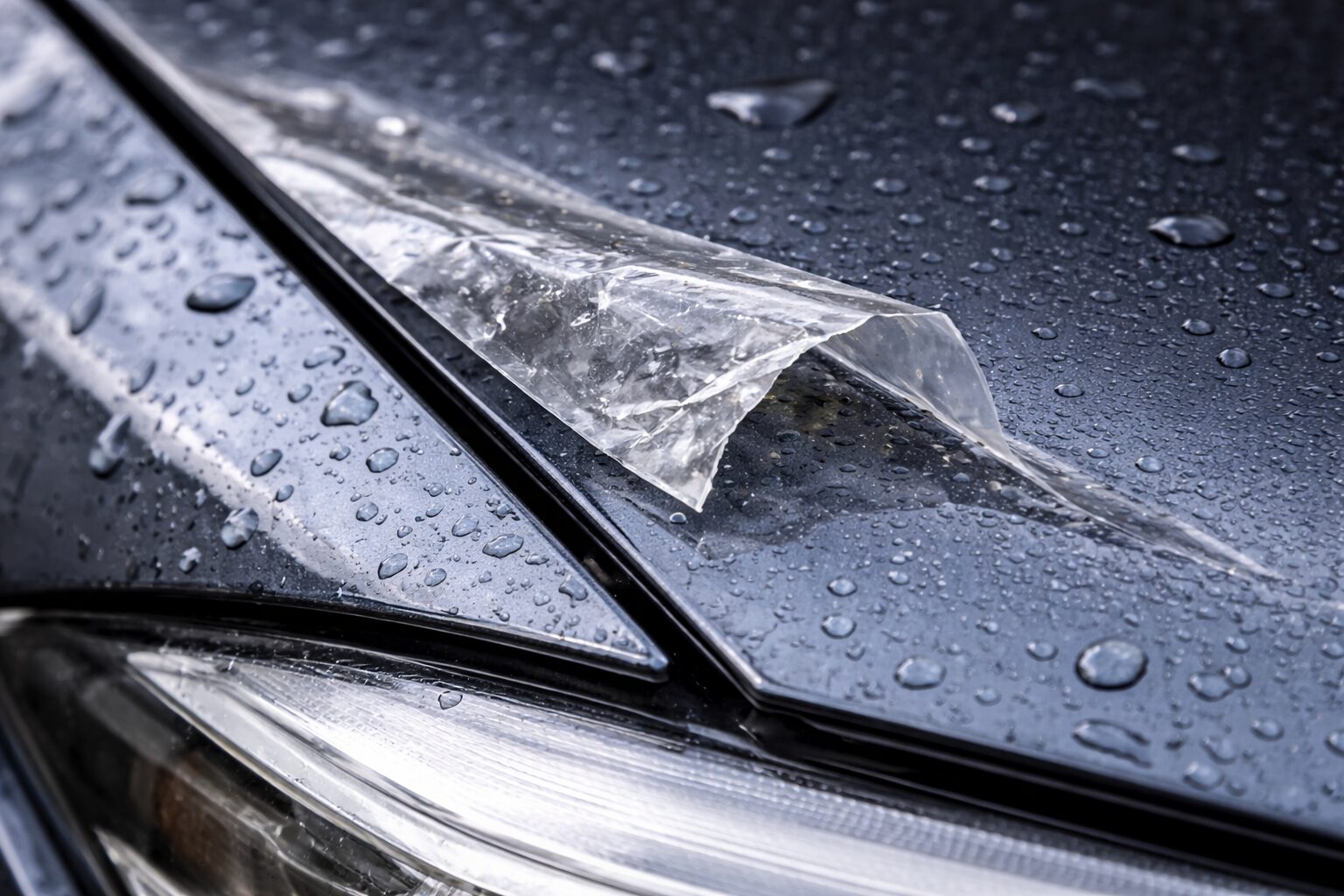
If you are researching How to Spot a Bad PPF Job, you are already doing the right thing. Paint protection film should look nearly invisible when it is installed correctly, and it should stay that way for years. The problem is, a rushed install can leave clues you will notice right away, and a few you might not catch until the film starts failing.
Below are the most common signs we see when someone comes to us to fix or redo a previous PPF install.
Table of Contents
Signs of a Bad PPF Install Visual Checklist For PPF Installs How to Spot a Good Installer Key Takeaways and ConclusionSigns of a Bad PPF Install
1. Bubbles and wrinkles
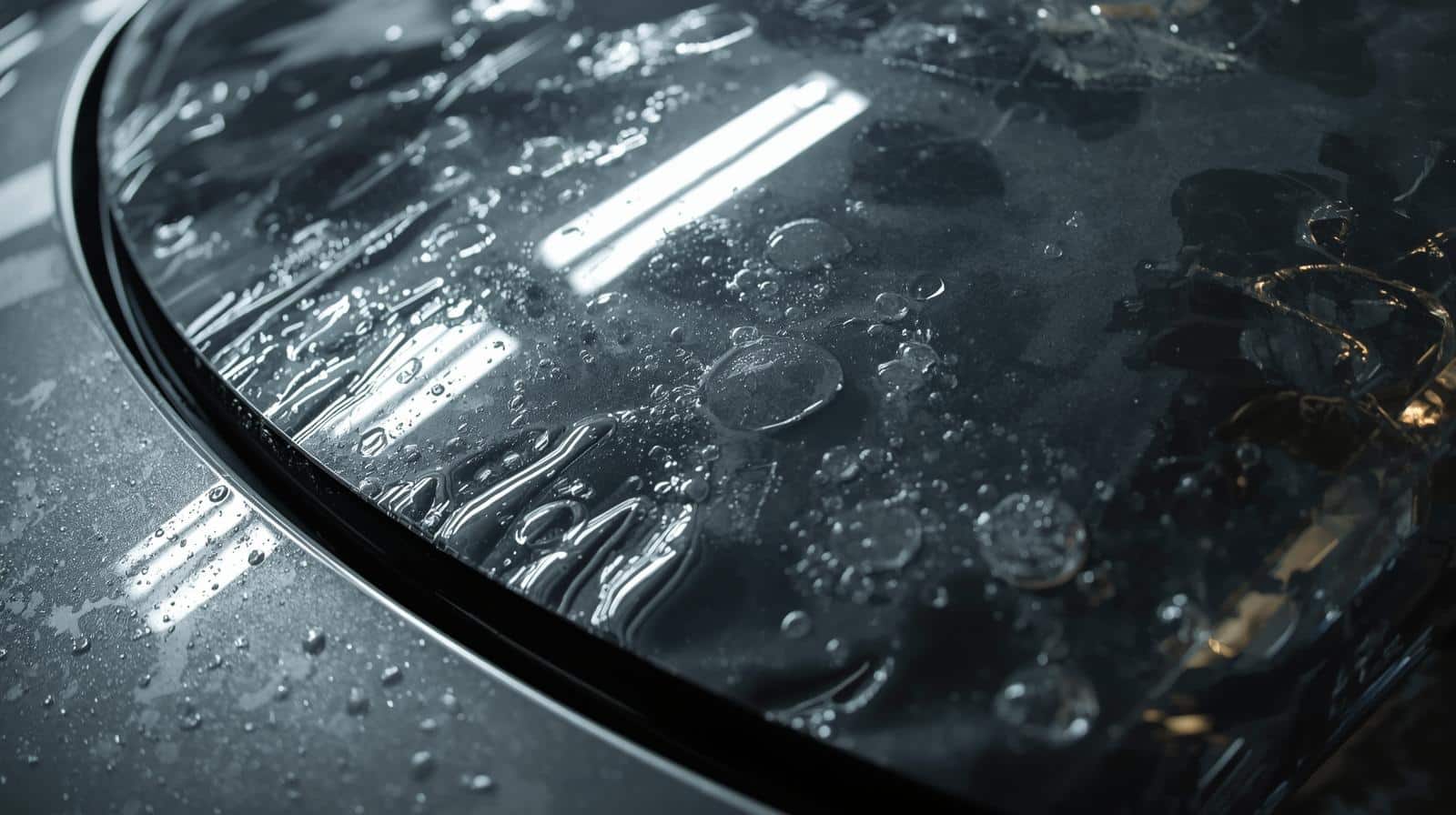
Bubbles and wrinkles are one of the easiest red flags to spot. They happen when the installer does not fully squeegee the air and slip solution out from underneath the film, or when they stretch and lay the film unevenly. Even small bubbles can become bigger issues because trapped moisture and air can weaken adhesion over time, and that is when edges start lifting.
If you are inspecting a vehicle, check flat areas like the hood and doors in direct sunlight. Look at the surface from a low angle. A proper install should look smooth, like the paint was never touched. 3M’s installation guidelines emphasize keeping the film properly positioned and using correct squeegee technique to remove remaining air and solution, which is exactly what prevents these issues. Source: 3M Multimedia
Real shop note: We have had clients bring in brand new vehicles where the film looked fine in shade, but under shop lighting you could see micro wrinkles across the hood. That usually points to poor tension control during install.
2. Lifted or misaligned edges
Edges are where bad installs usually fail first. A clean install should follow the shape of the panel, sit flat, and feel secure when you lightly run your finger along the edge. Lifted edges often mean the installer left contamination under the edge, did not prep properly, or stretched the film and left it under tension. Over time, that tension tries to relax, and the film starts peeling.
Misalignment is another giveaway. If the film line looks crooked, stops short, or hangs past the edge in places, that usually means the pattern was not positioned correctly or the install was rushed.
Quick check: Look around high impact areas like the front bumper, mirrors, and fender edges. If the film is lifting there, the job is not going to age well.
3. Uneven finish
PPF should have a consistent finish across the panel. If certain spots look cloudy, hazy, or reflect light differently, it could mean the film was handled poorly, overstretched, or not squeegeed evenly. Sometimes this shows up as dull patches or “waves” in the reflection when you look down the side of the car.
This is also where quality materials and correct install technique matter. Top coated TPU films are engineered to maintain clarity and durability when handled properly, and manufacturers stress following best practices to achieve a quality finish.
Real shop note: We see uneven gloss most often on hoods where the installer tried to force a bulk install without locking the film down correctly before stretching.
4. Trapped dirt or stains under the film
This is one of the most frustrating issues because it is permanent once the film sets. If the surface was not thoroughly cleaned and decontaminated, dust, lint, or tiny dirt specs get sealed under the film and you will see them as little bumps or dark dots. On lighter colors, even one piece of debris can stand out.
A clean PPF job starts before the film ever touches the paint. Proper prep includes washing, decontamination, and often paint correction if the vehicle has swirls or defects that would be “locked in” under the film.
What to do: Step back and inspect the panel from different angles. If you see multiple specks under the film, especially clustered in one area, that is almost always a prep issue.
5. Sloppy or uneven cuts
Bad cutting is one of the biggest red flags, especially if you see jagged lines, inconsistent gaps, or cut marks in the paint. A careful installer relies on pre cut patterns when possible and knows how to trim without risking the vehicle. When the cuts are rushed, you may see uneven borders, film not tucked properly, or even knife lines on the surface.
The best installs are the ones you do not notice. If your eye keeps catching an edge or a cut line, that is a sign the film was not finished to a high standard.
Most modern PPF, including colored versions, is made from TPU (thermoplastic polyurethane). That matters because TPU is elastic, more resistant to punctures, and can offer self-healing properties under heat. This is the same technology behind the “invisible armor” feel people associate with high end protection. Many colored PPF lines also come with advanced top coats for stain resistance, gloss retention, and easier cleaning. REPEL, for example, specifically describes colored PPF as a durable, self-healing film available in multiple color series and finishes. REPEL Films
We see color PPF chosen most often by owners of new luxury vehicles who want a unique look but refuse to sacrifice resale value. They want something removable that still protects the factory paint, not something that is purely cosmetic.
Visual Checklist For a Bad PPF Install
| Problem | What you will notice | Why it matters |
|---|---|---|
| Bubbles or wrinkles | Raised spots, distortion, ripples | Can lead to lifting and failure |
| Lifted edges | Edges peeling, catching dirt | Dirt and moisture get under film |
| Uneven finish | Haze, dull patches, wavy reflections | Looks bad and may indicate overstretch |
| Dirt under film | Specks, bumps, trapped lint | Permanent once cured |
| Sloppy cuts | Jagged lines, uneven borders, cut marks | Risk to paint and poor long term durability |
How to spot a good paint protection film installer?
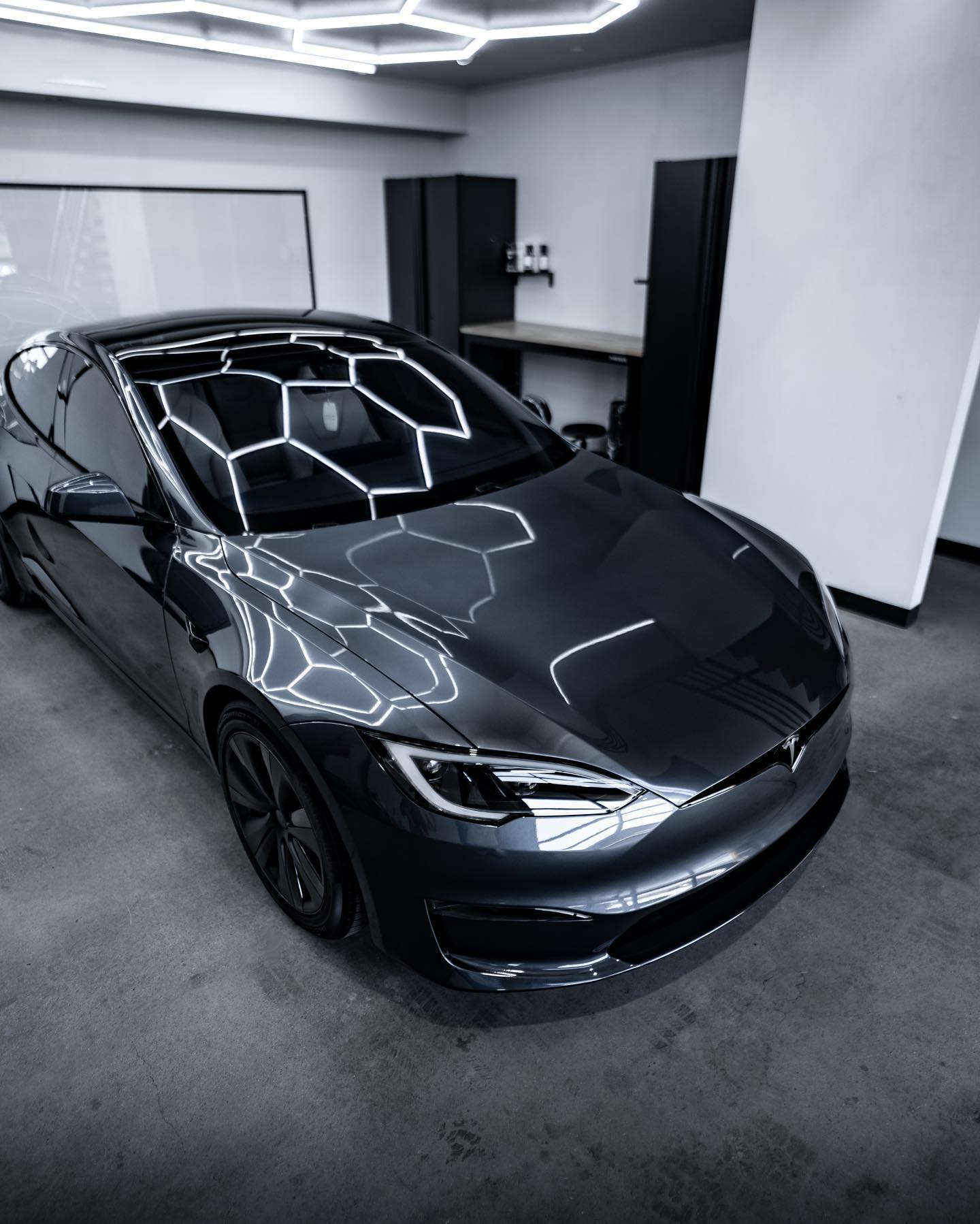
How to spot a true auto paint protection film installer?
If you want to avoid these issues entirely, here are the signs you are dealing with a real professional, not someone learning on your car.
They have a dedicated indoor install space
PPF is sensitive to dust and airborne debris. A ppf installer that uses a controlled indoor studio reduces contamination and improves consistency, especially on full front or full body installs.
They can clearly explain their process
A true installer can tell you exactly how they prep the surface, how they handle edges, and what their cure process looks like. If the explanation is vague or rushed, that is a warning sign.
They use known quality materials and follow manufacturer guidelines
Ask what film they use and why. Good shops work with proven TPU films and follow the installation and care instructions from the manufacturer, because that is how you get the best clarity and long term performance. STEK’s install and care documentation is one example of a manufacturer outlining best practices that protect both the product and the customer.
They can show real work, not just stock photos
Look for clear, close up photos showing edges, corners, and complex areas like bumpers. Anyone can post a shiny hood, but detailed photos of tight areas show craftsmanship.
Their reviews mention consistency and customer service
When a shop does excellent work, clients usually mention the same things: clean edges, smooth finish, great communication, and long term satisfaction.
Final Takeaway
A bad PPF job is not always obvious on day one, but the early signs are there if you know what to look for. Bubbles, lifted edges, dirt under the film, uneven finish, and sloppy cuts are the most common clues that the installer rushed the work or skipped prep. If you are investing in paint protection, you want the job done once, done cleanly, and done in a controlled environment by someone who can prove their experience.