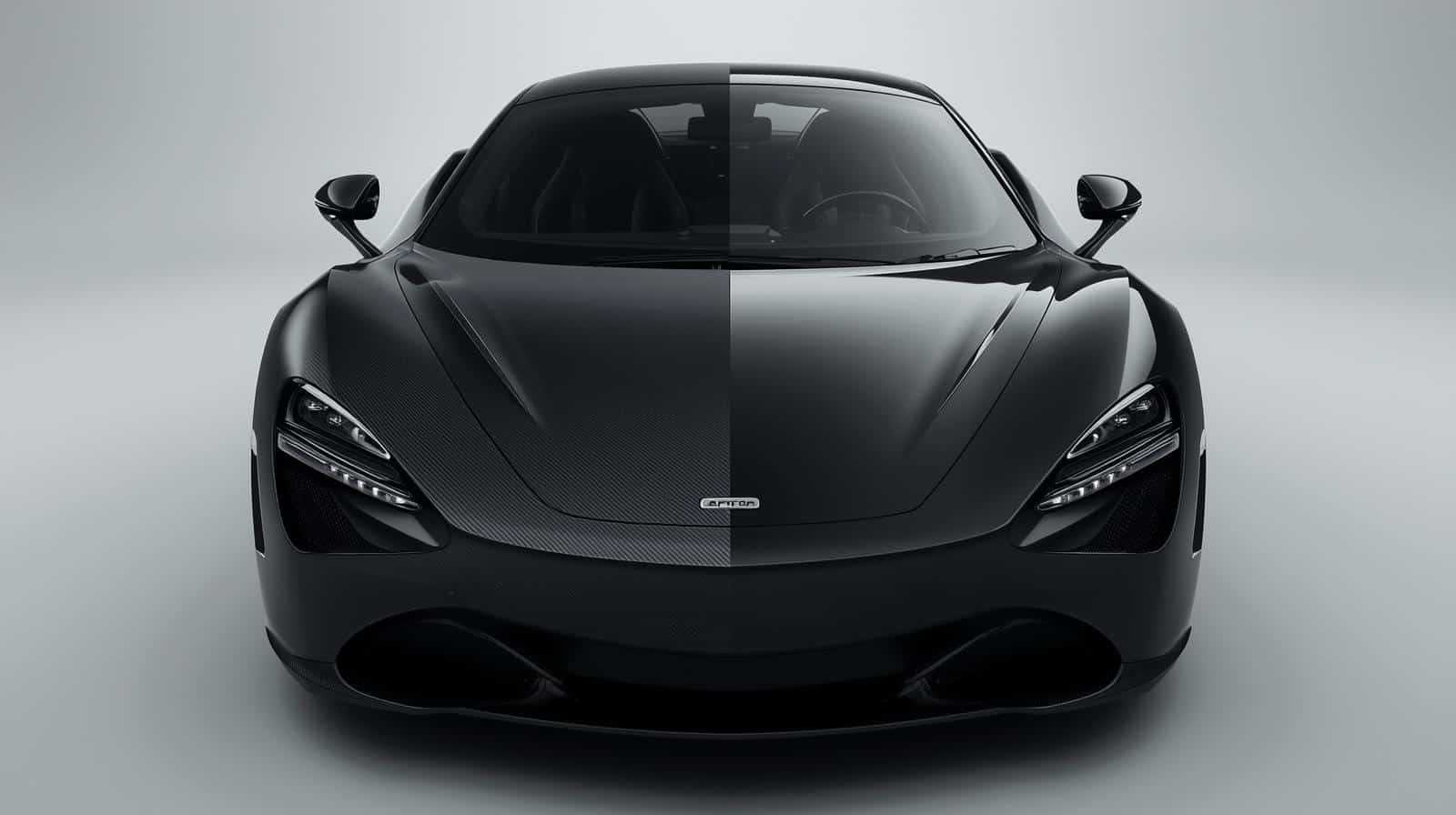
Choosing between matte PPF and gloss PPF usually comes down to one question: do you want to keep your factory look exactly as is, or do you want to change the finish while still protecting the paint. In Matte PPF VS Gloss PPF, I will break down how each film works, what it looks like in real life, and which option makes the most sense based on how you drive and how you want your vehicle to look.
Table of Contents
What is Matte PPF? What is Gloss PPF? What are The Pros and Cons of Each? Final ComparisonWhat is Matte PPF?
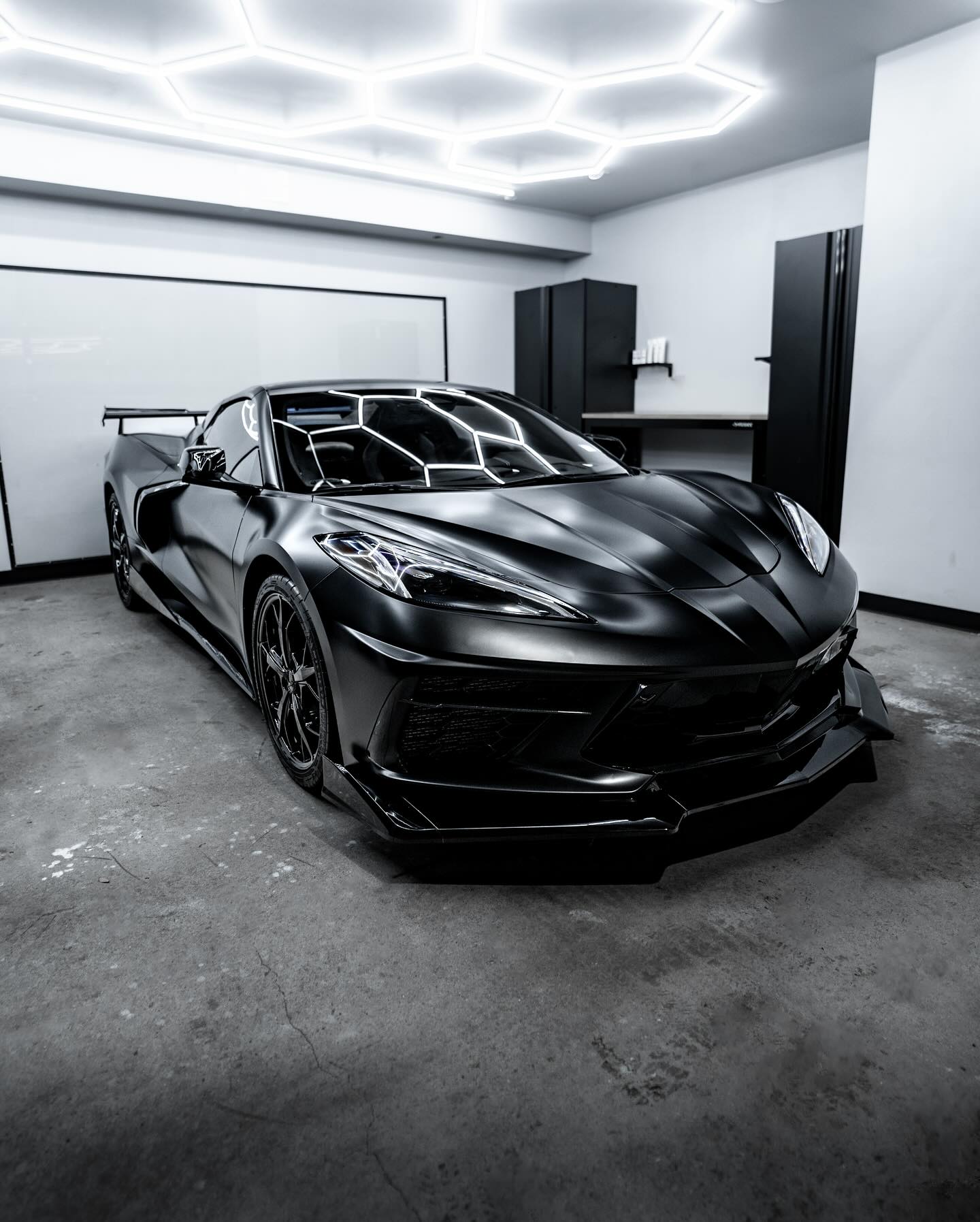
Matte paint protection film is a clear or satin style film designed to protect your paint while changing the finish to a muted, non reflective look. It is most often installed over factory gloss paint to create that “frozen” appearance without repainting the car. The best way to explain matte PPF is that it still protects like traditional PPF, but it also acts like a finish upgrade.
In the shop, matte PPF is popular with owners who want something unique but still subtle. You see it a lot on higher end cars because the finish looks premium and it hides some of the visual noise you get from reflections. Matte films still include modern features like self healing top coats on many premium products, but the main difference is the final look and how it shows dirt or marks depending on lighting.
What is Gloss PPF?
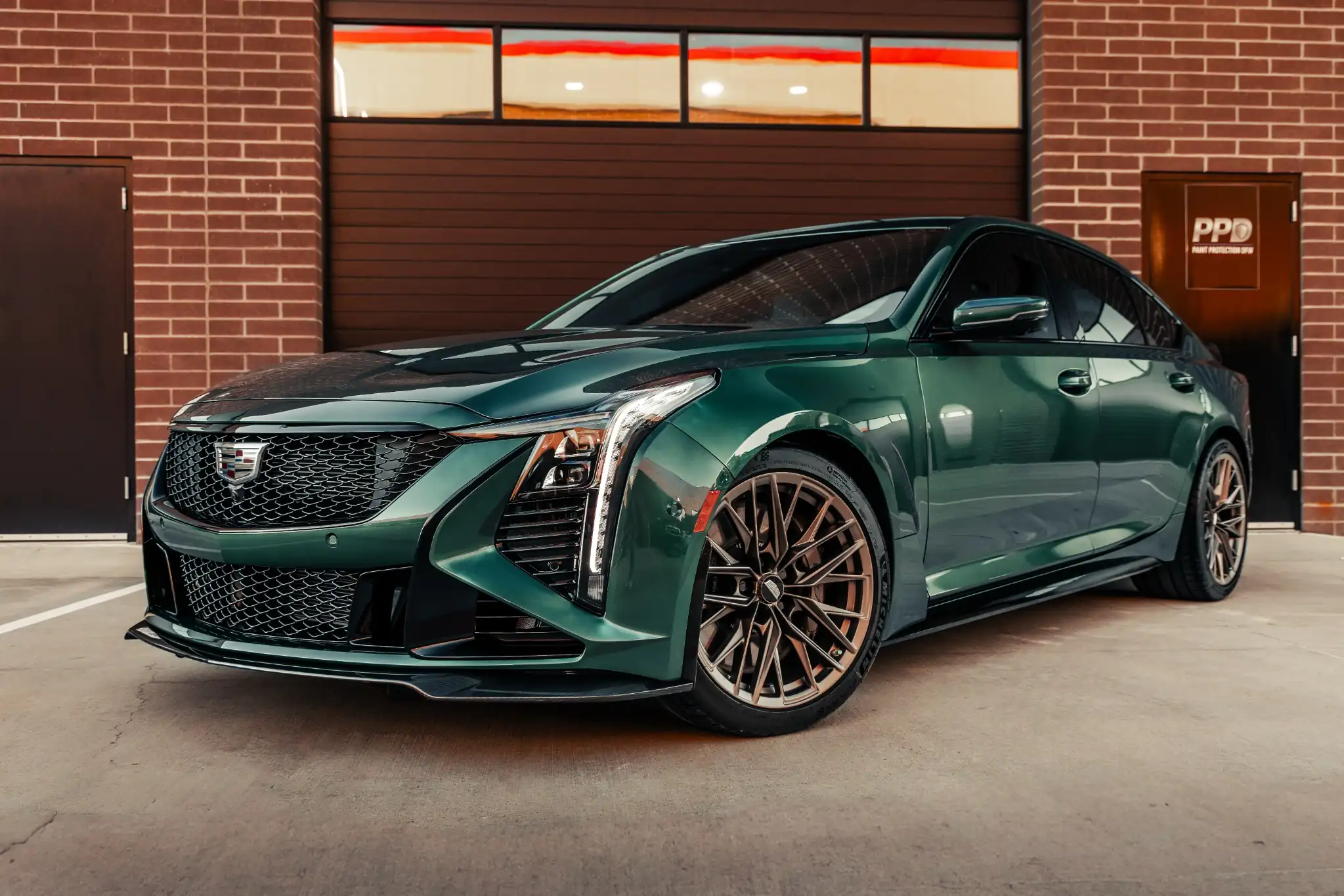
Image: Image Description, Credit.
Gloss paint protection film is the more traditional option. It is designed to be as invisible as possible while preserving the original factory shine. When installed correctly, it is difficult to tell it is even on the vehicle unless you are looking for edges or seams.
Gloss PPF is what most people think of when they picture paint protection film. It is built to absorb impacts from road debris, resist chemical staining, and prevent light scuffs from becoming permanent paint damage. Manufacturers like 3M describe their Pro Series film as protecting against chips, scratches, and weathering, and highlight self healing properties for minor scratches. 3M
In our day to day installs, gloss PPF is still the top pick for owners who want long term protection without changing the look of the vehicle.
What are the Pros and Cons of Matte PPF?
Matte PPF can look incredible, but it is not for everyone. The finish is more demanding, and it is important to go in with realistic expectations about maintenance and cleaning habits.
Pros of Matte Paint Protection Film
1. Lessen Glare
One of the biggest benefits of matte PPF is how it reduces glare and harsh reflections. Under direct sunlight, gloss paint can look almost mirror like. Matte film tones that down, giving the vehicle a smoother and more refined appearance. This can be especially noticeable on larger body panels like hoods, doors, and quarter panels where reflections are strongest.
We have had customers choose matte film specifically because they drive into the sun daily and want the car to look clean in every lighting condition, not just at night or in the shade.
2. Stylish and Unique Finish
Matte PPF gives you a distinctive look without committing to permanent paint. That is a major advantage. If you ever want to go back to glossy paint later, the film can be removed by a professional and the original finish is still there underneath.
This is why matte PPF is a go to option for luxury and higher end vehicles. It changes the vibe of the car without the risk of repainting. It is also a smart choice for someone who wants a stealth look but still wants full protection against chips and road debris.
Work example placeholder:
Add a short story and photos here of a recent matte PPF install, including what vehicle it was, why the owner chose matte, and a before and after shot.
Cons of Matte Paint Protection Film
1. Maintenance Frequency
Matte finishes tend to show unevenness in oils, dust, and water spots faster than gloss. It is not that matte gets dirtier, it is that your eyes notice the changes more because the finish is uniform and flat. If you like your vehicle looking perfect all the time, you will probably wash it more often with matte film.
The good news is that matte safe products exist, and many owners settle into a routine quickly. Dr. Beasley’s, for example, is known for products formulated for matte finishes and coatings, which matters because some traditional waxes or dressings can create shiny patches on matte surfaces. Dr. Beasley’s
2. Difficulty in Cleaning
Matte film usually requires a little more care during washing. You want to avoid aggressive polishing or abrasive products because they can alter the surface appearance. With gloss PPF, you can often use more traditional detailing methods if the products are film safe. With matte, you need to stick to matte friendly cleaners and be more intentional about how you dry the vehicle.
From experience, the biggest issue we see is customers using the wrong quick detailer or spray wax and accidentally creating uneven sheen. Once that happens, you usually have to correct it with proper matte specific cleaning and sometimes a professional reset.
1) Protection
- Color PPF: Designed to protect against stone chips, light scratches, road rash, bug acids, and chemical staining. Many films self-heal from minor swirls.
- Vinyl wrap: Designed for appearance. It can reduce light scuffing, but it will not stop rock chips the way PPF does.
2) Thickness and durability
PPF is typically much thicker than vinyl wrap, which is why it can absorb impact better. PPF is also more resistant to tearing and punctures due to its polyurethane construction. Industry comparisons consistently describe PPF as the more durable, protective material while vinyl is thinner and more cosmetic. TERMINAX
3) Finish and “paint-like” look
- Color PPF: Often has a deeper, more “painted” appearance because of its thickness and gloss depth. Satin and matte options can look incredibly premium.
- Vinyl wrap: Has more variety in textures and patterns, including chrome, carbon fiber, and printed designs. Some look fantastic, but certain finishes can look more like “film” up close.
4) Maintenance and longevity
- Color PPF: Typically easier to maintain, especially when paired with ceramic coating, because it resists staining and cleans up well.
- Vinyl wrap: Requires more care to prevent edge lifting, fading, and staining. Dark matte wraps can show oils and marks faster.
5) Removal and paint safety
Both are removable, but properly installed PPF is often the better option if paint preservation is a priority. We see high end owners choose PPF specifically because they want the factory paint underneath to remain in top shape when it is time to sell or trade.
What are the Pros and Cons of Gloss PPF?
Gloss film is the more forgiving option and the most common choice for daily drivers and owners who want their factory paint to stay looking factory. It is also the easiest option to pair with ceramic coatings when you want the best of both worlds: impact protection plus easier maintenance.
Pros of Gloss Paint Protection Film
1. Simplifying Cleaning
A high quality gloss PPF usually has a smoother, slicker surface than bare clear coat, and many are designed to resist staining and make dirt release more easily. That translates into faster washes and less stress when bugs and road grime stick to the paint.
If your goal is to keep the vehicle looking sharp with fewer wash sessions, gloss film is the practical winner most of the time.
2. Copy Exactly the Original Paint Finish
Gloss PPF is designed to blend into the factory look. If you install it properly with clean edges and proper alignment, it does not change the color or sheen in a noticeable way. XPEL describes paint protection film as virtually invisible protection for the vehicle’s finish, which is exactly what most owners want when they choose gloss. XPEL
That invisibility is a big reason many customers protect just the front end first. Once they see how seamless it looks, they often come back for full coverage.
3. Elevates Color Depth and Shine
Even though gloss film is meant to look factory, it can make the paint look richer, especially on darker colors. This is something we see all the time on black, deep blue, and metallic gray vehicles. The film adds a smooth uniform layer that can make the reflections cleaner.
Owners who like that wet gloss look often love the result. It is one of those things you notice immediately when the car rolls out of the studio lighting.
Work example placeholder:
Add a front end or full body gloss PPF example here, with a close up shot of the finish, plus a short note about the customer’s goals and how the film improved the look.
Cons of Gloss Paint Protection Film
1. Scratches and Swirl Marks
Gloss finishes, whether it is clear coat or gloss film, can show swirl marks under certain lighting if the vehicle is washed incorrectly. The difference is that many modern films include self healing top coats that can help minor marks fade with warmth, which is a big advantage over bare paint. 3M specifically notes self healing technology in their Pro Series film for minor scratches. 3M
Still, no film is a substitute for good washing habits. If someone uses a dirty wash mitt or automatic brushes, the finish can develop visible marring over time.
2. Fingerprints and Smudges are Visible
Gloss shows oils and smudges more easily, especially on darker vehicles. If you have kids touching the doors constantly or you are the type to lean against the fender while you talk, you will see it.
This is not a major issue, but it is something we mention to owners who are deciding between gloss and matte. Gloss looks incredible when it is clean, but it does not hide contact marks the way matte tends to.
Final Comparison Between Matte PPF vs Gloss PPF
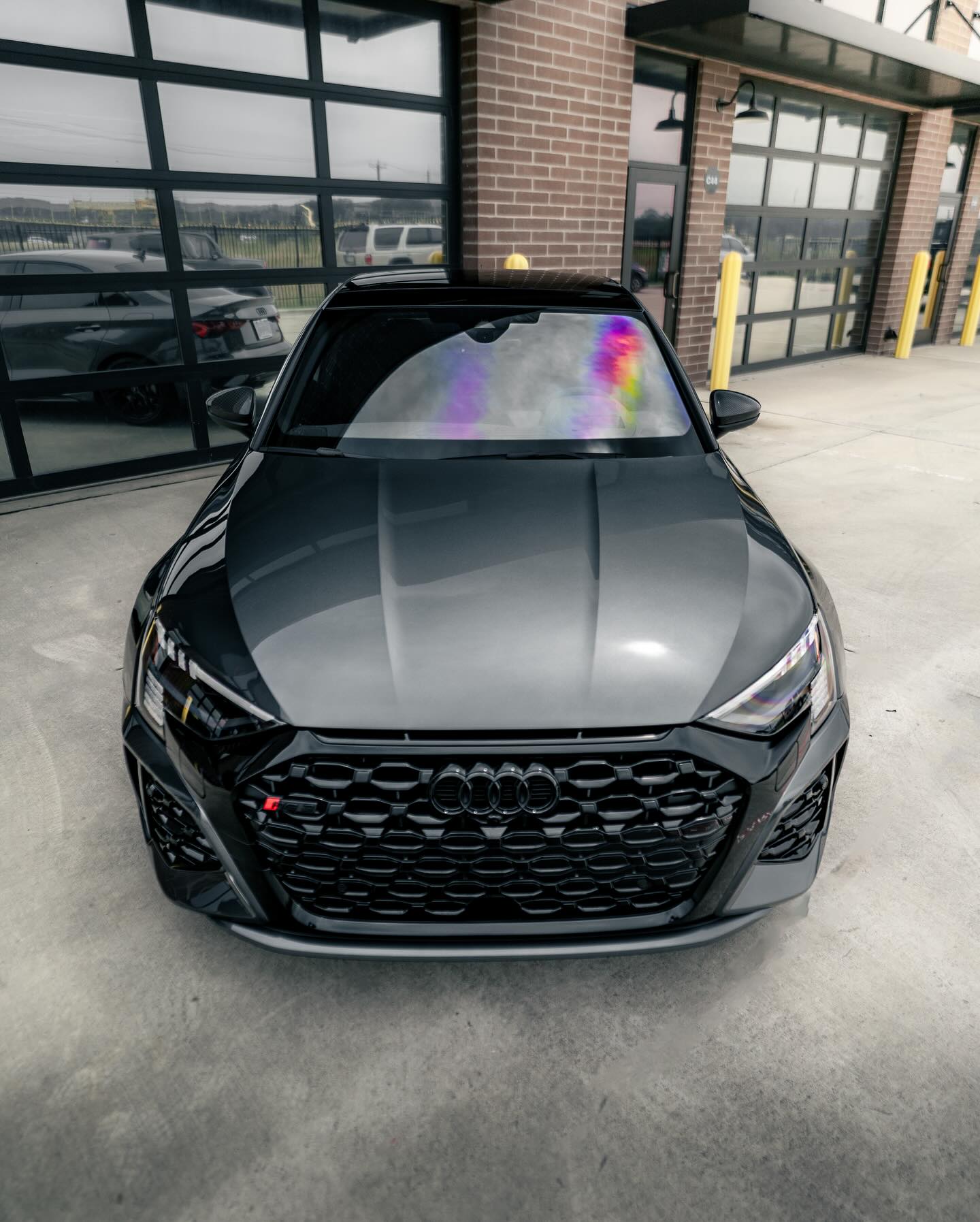
| Feature | Matte PPF | Gloss PPF |
|---|---|---|
| Finish | Satin, muted, low glare | Factory gloss, reflective |
| Best for | Custom stealth look | Invisible protection |
| Maintenance | More product sensitive | More forgiving |
| Visual impact | High | Subtle |
| Swirl visibility | Lower | Higher in harsh light |
If you are protecting a high end vehicle and want it to stand out in a tasteful way, matte PPF installed by a certified installer is a great choice, especially on black, gray, or white vehicles. If you want the easiest day to day ownership experience and you love your factory finish, gloss PPF is the safe and proven option.