When clients come into our shop in Fort Worth asking for a full color change, the first question that they ask is usually the same: “Should I vinyl wrap it or do color PPF?” The short answer is this, both can change the look of your car, but only one is designed for real world impact protection. In this guide, we will break down what each option really is, the differences, and which one to choose based on your goals, budget, and how you actually plan to use your vehicle.
Table of Contents
What is Color PPF? What is a Vinyl Wrap? What are The Main Differences? Should you Choose Color PPF or a Vinyl Wrap? Color PPF VS Vinyl Wraps ConclusionWhat is Color PPF?
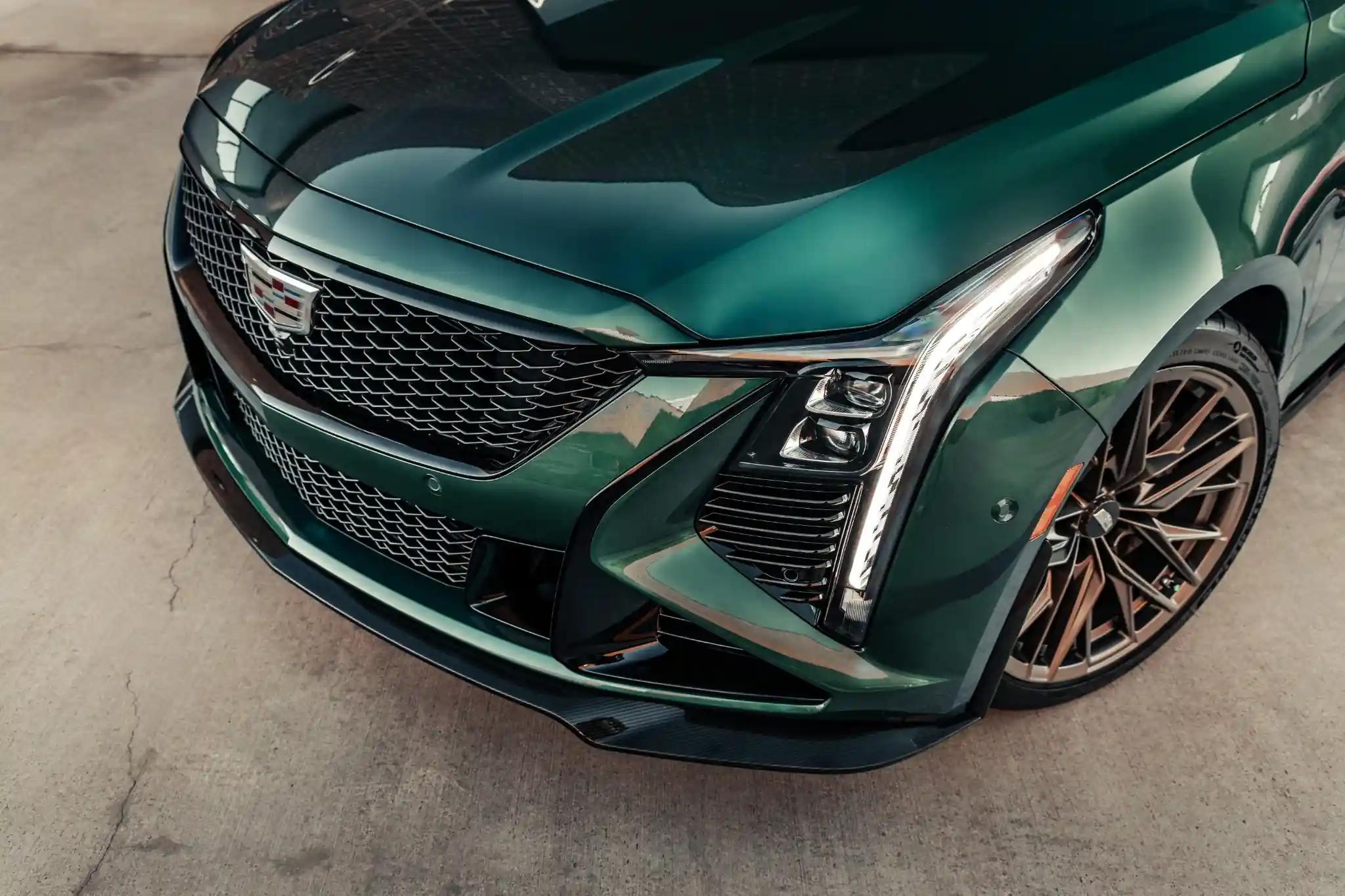
Color PPF is paint protection film that comes in a wide range of colors and finishes, so you can change the look of the vehicle while still getting real impact protection. Unlike a standard clear PPF, color PPF is designed to do two jobs at once: customization and protection.
Most modern PPF, including colored versions, is made from TPU (thermoplastic polyurethane). That matters because TPU is elastic, more resistant to punctures, and can offer self-healing properties under heat. This is the same technology behind the “invisible armor” feel people associate with high end protection. Many colored PPF lines also come with advanced top coats for stain resistance, gloss retention, and easier cleaning. REPEL, for example, specifically describes colored PPF as a durable, self-healing film available in multiple color series and finishes.
We see color PPF chosen most often by owners of new luxury vehicles who want a unique look but refuse to sacrifice resale value. They want something removable that still protects the factory paint, not something that is purely cosmetic.
What is a Vinyl Wrap?
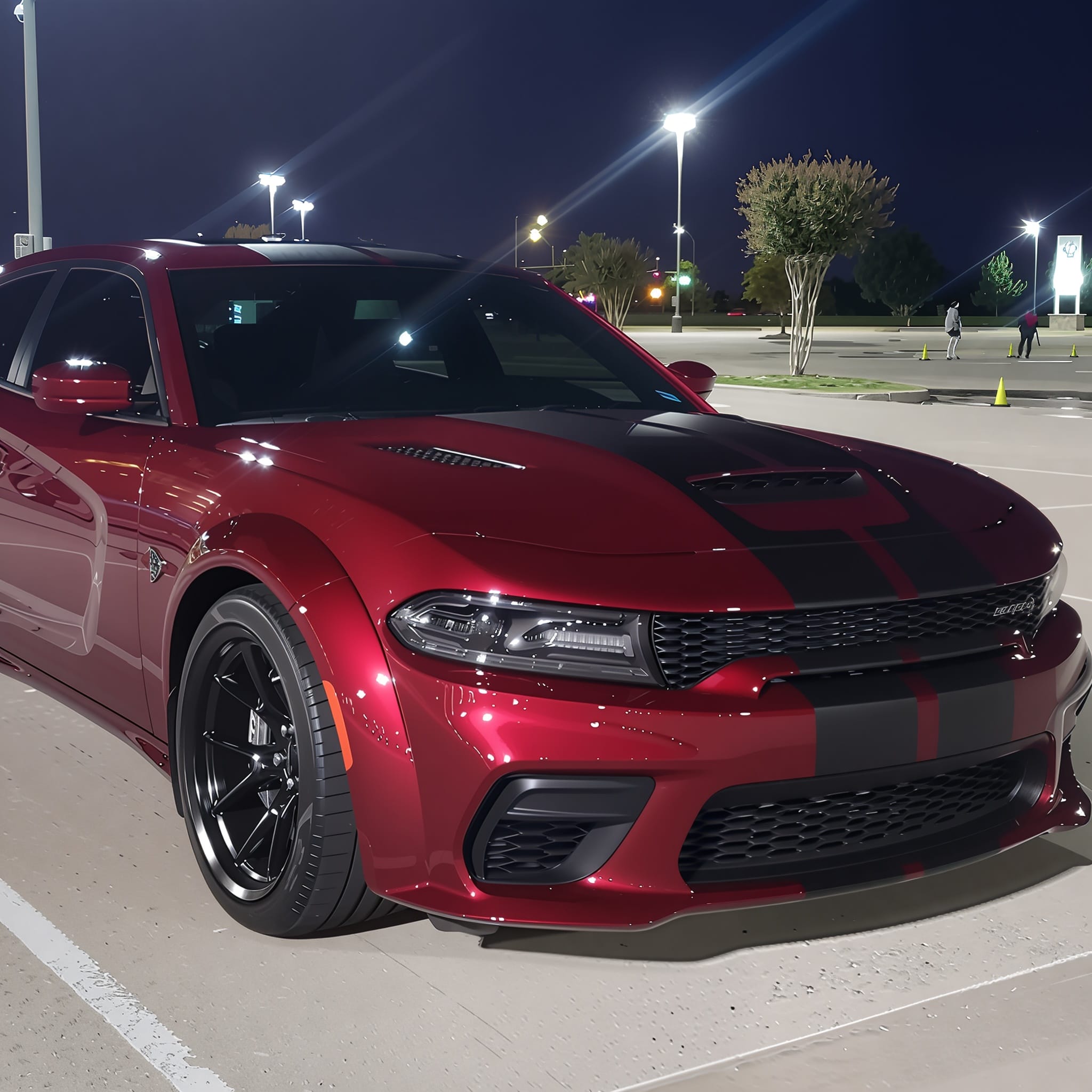
A vinyl wrap is a thin, flexible PVC film designed primarily for aesthetics and marketing. It is what most people think of when they hear “car wrap.” Vinyl wraps can be solid colors, patterns, or printed graphics, and they can be installed for a temporary color change, branding, or a custom finish.
Manufacturers like Avery Dennison describe their vehicle wrapping films as premium vinyl designed for style and ease of application, with a wide range of colors and effects. Avery Dennison Graphics That is the key difference: the product is engineered to look good, install smoothly, and remove cleanly, but it is not intended to absorb rock impacts or protect the paint from physical damage long term.
Vinyl wraps are a great fit when someone wants the biggest range of colors, wants to switch looks every couple of years, or is trying to keep the investment lower. We also see it used heavily for commercial branding because it is easy to print and replace.
The Main Differences
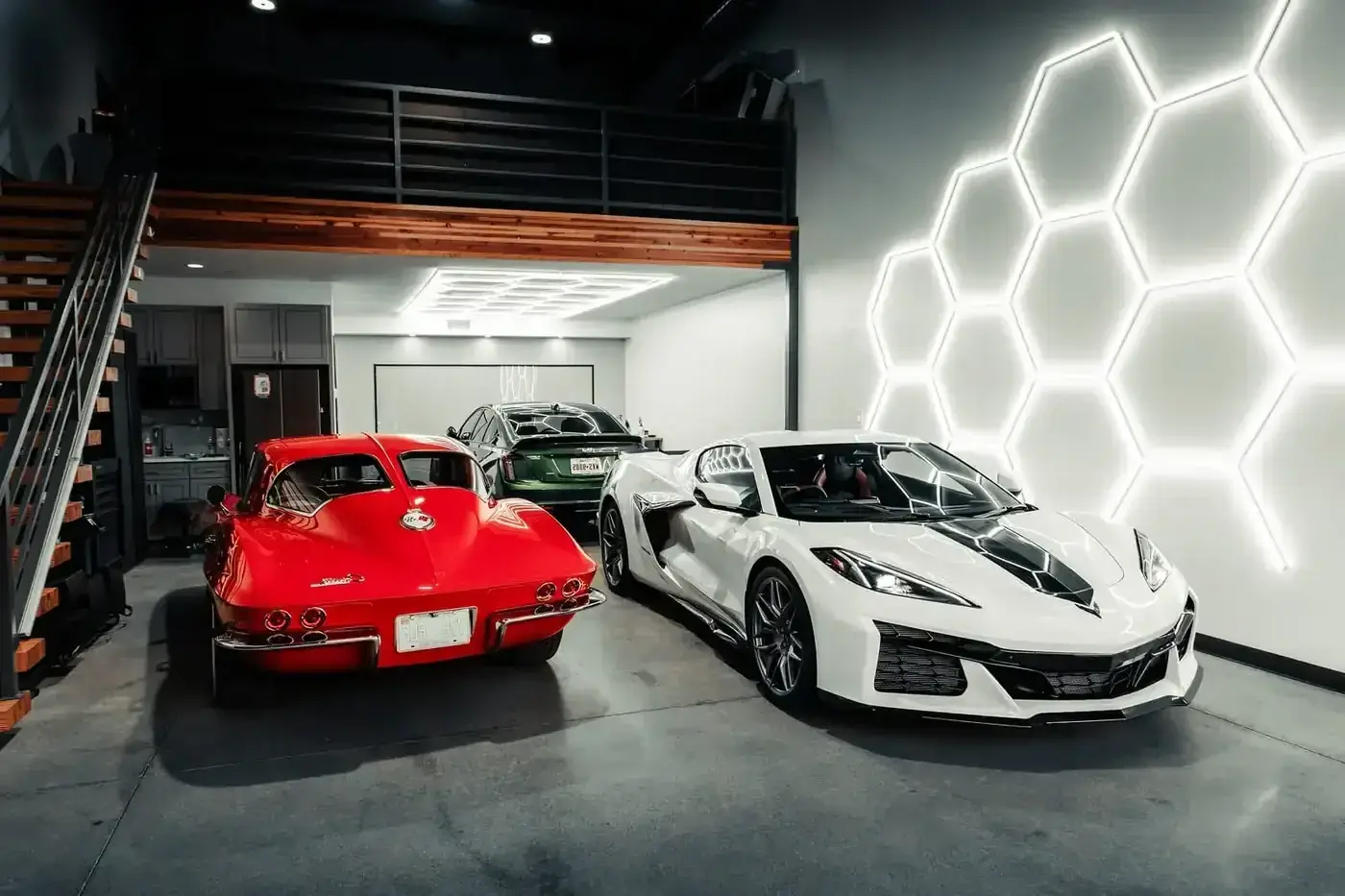
Here is the simple breakdown we explain to clients every week.
1) Protection
- Color PPF: Designed to protect against stone chips, light scratches, road rash, bug acids, and chemical staining. Many films self-heal from minor swirls.
- Vinyl wrap: Designed for appearance. It can reduce light scuffing, but it will not stop rock chips the way PPF does.
2) Thickness and durability
PPF is typically much thicker than vinyl wrap, which is why it can absorb impact better. PPF is also more resistant to tearing and punctures due to its polyurethane construction. Industry comparisons consistently describe PPF as the more durable, protective material while vinyl is thinner and more cosmetic. TERMINAX
3) Finish and “paint-like” look
- Color PPF: Often has a deeper, more “painted” appearance because of its thickness and gloss depth. Satin and matte options can look incredibly premium.
- Vinyl wrap: Has more variety in textures and patterns, including chrome, carbon fiber, and printed designs. Some look fantastic, but certain finishes can look more like “film” up close.
4) Maintenance and longevity
- Color PPF: Typically easier to maintain, especially when paired with ceramic coating, because it resists staining and cleans up well.
- Vinyl wrap: Requires more care to prevent edge lifting, fading, and staining. Dark matte wraps can show oils and marks faster.
5) Removal and paint safety
Both are removable, but properly installed PPF is often the better option if paint preservation is a priority. We see high end owners choose PPF specifically because they want the factory paint underneath to remain in top shape when it is time to sell or trade.
Should you Choose Color PPF or a Vinyl Wrap?
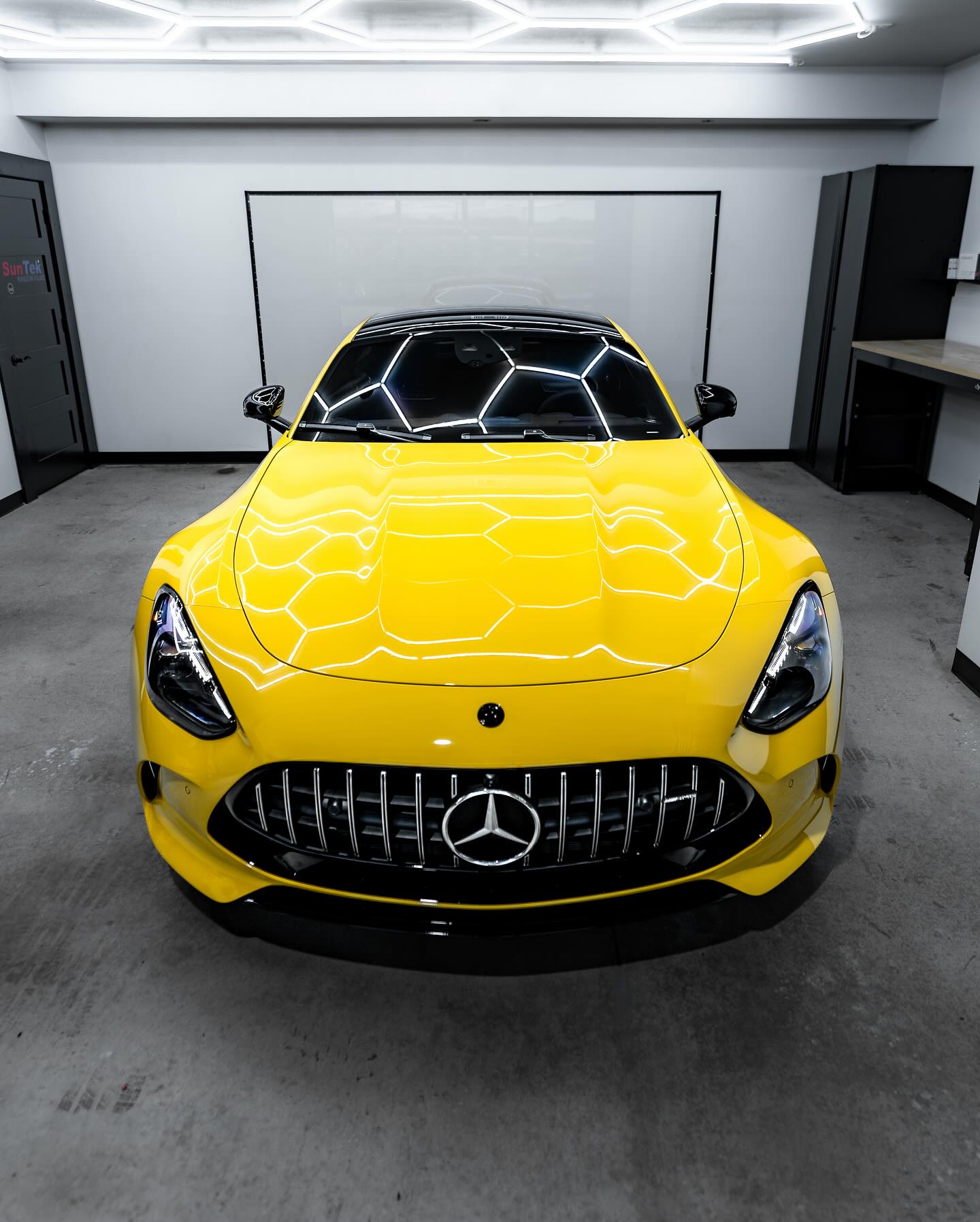
Here is the decision framework we use in the shop. It keeps the conversation honest and it saves clients from regretting a cheaper option later.
Choose Color PPF if:
- You want real protection plus a new color
- You drive highways often or deal with construction zones
- You are protecting a newer, higher end vehicle
- You care about long-term paint condition and resale value
- You want a finish that stays looking “fresh” with less upkeep
Choose Vinyl Wrap if:
- You want the lowest upfront cost for a color change
- You like changing styles every 1 to 3 years
- You want textured looks or printed graphics
- The vehicle is older and paint preservation is not the main goal
- The wrap is primarily for business branding
A quick real example we see often:
A client with a new Porsche, Lexus, Tesla, or AMG will typically choose color PPF because they want the look and protection together. A client with a weekend car or a marketing vehicle often leans vinyl because it checks the “looks” box at a lower cost.
Color PPF VS Vinyl Wraps Conclusion
If your goal is maximum protection with a color change that still preserves factory paint, color PPF is hard to beat. If your goal is purely appearance, frequent style changes, or a lower upfront investment, vinyl wraps still make a lot of sense. In our experience, the best choice depends on how the vehicle is driven and how much the owner values long-term paint condition versus short-term customization.
If you want help choosing the right route for your vehicle, the easiest next step is to get a custom quote and talk through your priorities. Most clients know what they want after we walk them through the real pros and cons based on how they actually use their car.